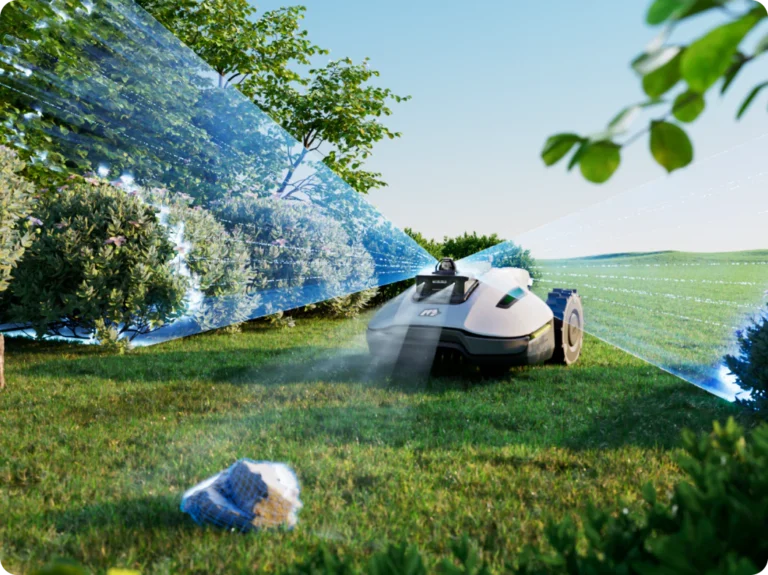
Top Automated Backyards in America: A Definitive Editorial Reference
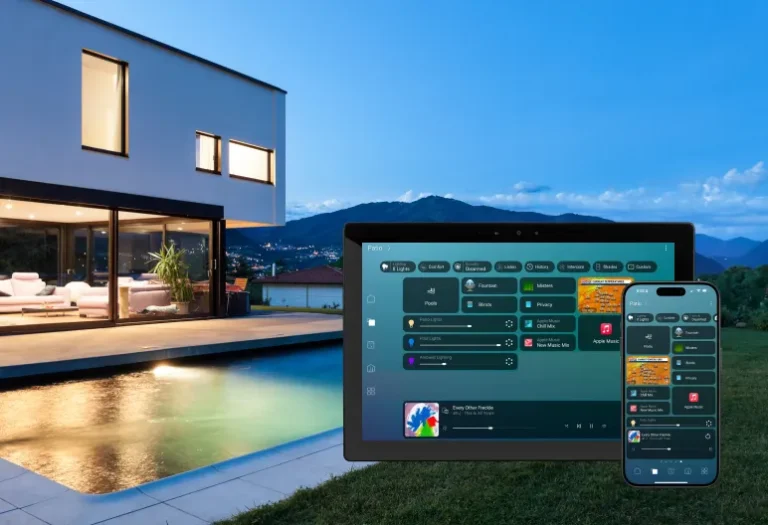
In the evolving landscape of American residential design, the transition from a traditional yard to a high-functioning autonomous ecosystem marks a significant shift in property stewardship. The concept of the backyard has been fundamentally redefined; it is no longer a passive patch of turf but a sophisticated, multi-layered utility. Across the United States, homeowners are increasingly investing in “Deep Infrastructure”—a convergence of low-power mesh networking, robust weatherproofing, and cloud-integrated predictive analytics—to create environments that manage themselves.
The realization of a premier automated space requires a departure from the “gadget-centric” mindset that has historically plagued the smart home market. True mastery in this domain lies in the seamless integration of disparate systems: irrigation that responds to hyper-local weather shifts, lighting that aligns with circadian rhythms, and security protocols that act as proactive deterrents rather than reactive monitors. In this era of climate volatility and resource scarcity, the most advanced backyards are characterized by their resilience, efficiency, and invisible governance.
As we move deeper into 2026, the benchmark for excellence is no longer just the presence of technology, but the “Intelligence Density” of the landscape. This involves moving beyond simple app-controlled devices toward systems capable of “Local-First” logic, ensuring that critical outdoor functions remain operational even during network outages. This definitive reference explores the strategic frameworks, technical requirements, and long-term maintenance dynamics necessary to engineer and sustain the top automated backyards in America.
Understanding “top automated backyards in america”
To identify the top automated backyards in America, one must look past the superficial allure of motorized pergolas or voice-activated fire pits to the underlying architectural integrity of the system. In the professional segment, a “top” backyard is defined by its ability to achieve “Autonomous Harmony”—a state where irrigation, lighting, climate control, and security operate as a single, cohesive entity. A common misunderstanding among consumers is the belief that purchasing high-end standalone devices will result in a smart backyard; in reality, this often leads to “Digital Fragmentation,” where conflicting apps and protocols create a high-friction user experience.
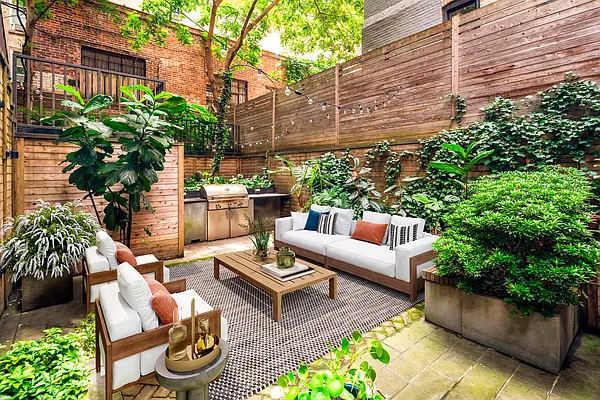
The distinction between a “smart” backyard and a “top automated” one lies in the sophistication of its logic layers. While a standard smart system might allow a user to turn on the sprinklers from a phone, an advanced automated backyard utilizes soil moisture sensor arrays and evapotranspiration (ET) data to decide if it should water, for how long, and at what time of day to minimize evaporation loss. This level of “Decision Autonomy” is what separates hobbyist setups from professional-grade authority assets.
Furthermore, there is the critical factor of “Environmental Hardening.” Indoor smart devices are pampered by climate control; outdoor hardware must endure the high-salinity air of coastal Florida, the extreme thermal cycles of the Arizona desert, and the deep freezes of the American Midwest. The most successful implementations prioritize industrial-grade components—typically IP67 rated or higher—and utilize wired backhauls like Power over Ethernet (PoE) to ensure that the “intelligence” of the yard is as durable as its hardscaping.
Contextual Evolution: From Timers to Predictive Stewardship
The history of American backyard management has progressed through three distinct eras: the Electromechanical, the Connected, and the Predictive. The Electromechanical era, dominant from the 1950s through the late 1990s, relied on simple rotary clocks and physical relays. While reliable, these systems were “dumb”; they would water the lawn during a thunderstorm simply because the clock dictated it.
The Connected era introduced the first wave of Wi-Fi controllers and mobile apps. This allowed for remote oversight but introduced a new vulnerability: the “Cloud Dependency.” If a manufacturer’s server went down or the homeowner’s internet failed, the yard’s automation often broke. We are now firmly in the Predictive era. Modern systems are characterized by “Edge Computing”—performing complex logic locally on the device—and integrating with third-party APIs for hyper-local weather forecasting and smart grid participation. This evolution has turned the backyard into a proactive participant in the home’s resource management strategy.
Conceptual Frameworks and Mental Models for Outdoor Logic
Navigating the complexities of a multi-zoned automated landscape requires specific mental models to prevent system bloat and ensure long-term utility.
-
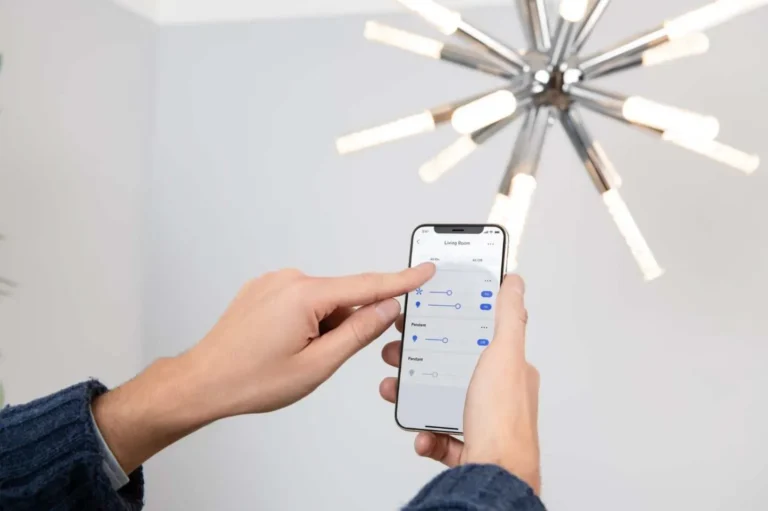
The “Wife/Guest Compliance” Test: This is the primary metric for interface success. If a houseguest cannot turn on the patio heater or adjust the outdoor music without downloading an app or receiving a 10-minute tutorial, the system design has failed. Top-tier backyards always maintain intuitive, physical “manual overrides.”
-
The Circadian Alignment Model: This framework treats outdoor lighting not just as a security feature, but as a biological input. Mistakes are often made by using high-energy blue light (6000K) at night. A sophisticated system automates the transition to warm, amber tones (2200K–2700K) as evening progresses to protect the residents’ sleep cycles and local nocturnal wildlife.
-
The “Infrastructure-First” Model: Professional installers follow a 60/40 rule: 60% of the budget should be spent on what is invisible (conduit, burial-grade cabling, drainage, and networking) while only 40% goes toward the visible end-nodes.
Key Categories of Autonomous Landscape Systems
Building one of the top automated backyards in America requires a categorical approach to infrastructure. Each silo must be optimized individually before being integrated into a master controller.
| Category | High-Performance Standard | Technical Driver | Primary Benefit |
| Irrigation | Predictive ET Modeling | Soil Moisture Probes | 30%–50% Water Reduction |
| Lighting | Digital Addressable (DALI/DMX) | RGBW/Tunable White | Aesthetic Flexibility & Security |
| Security | AI Perimeter Analytics | PoE Thermal Cameras | Zero False Alarms |
| Climate | Automated Louvered Roofs | Wind/Rain Sensors | Year-Round Usability |
| Maintenance | Robotic Turf Management | RTK-GPS Navigation | “Always-Mowed” Aesthetic |
| Pool/Spa | Automated Chemistry Dosing | Salt-Cell/Ozone Integration | Reduced Chemical Exposure |
Realistic Decision Logic
A pivotal choice for the homeowner is between “Ecosystem Lock-in” (using a single brand for everything) and “Best-of-Breed Integration” (using specialized brands for each category). While single-brand ecosystems are easier to set up, they rarely offer the highest quality in every category. The top automated backyards in America usually employ a “Translator Hub”—such as Control4, Savant, or an open-source platform like Home Assistant—to allow professional-grade irrigation (like Hunter) to talk to professional-grade lighting (like Lutron).
Detailed Real-World Scenarios and Geographical Variables
Scenario 1: The Coastal Salt-Spray Zone (California/Florida)
In these environments, “Oxidation Failure” is the primary risk.
-
The Strategy: Only marine-grade 316 stainless steel or heavy-gauge brass fixtures are used. All electronic enclosures are “Double-Gasketed.”
-
Automation Focus: Automated freshwater rinsing cycles for outdoor kitchens and expensive lounge furniture to remove salt buildup after high-wind events.
Scenario 2: The Northeast “Snow Belt”
The constraint here is “Mechanical Hibernation.”
-
The Strategy: Automation must include “Freeze-Protection” logic. When temperatures drop below 38°F, the system automatically purges water from lines to prevent bursting.
-
Automation Focus: Heated pavers and radiant snow-melt systems triggered by moisture-and-temperature sensors to keep walkways clear without manual shoveling.
Planning, Cost, and Resource Dynamics
The financial planning for a top-tier backyard is often underestimated because it involves high “Civil Engineering” costs.
| Project Component | Entry-Level Smart Yard | Professional Automated Backyard | Lifecycle Value |
| Hardscape/Trenching | $1,000 – $3,000 | $10,000 – $40,000 | 25+ Year Lifespan |
| Control System | $200 – $500 | $2,500 – $15,000 | Seamless Experience |
| End-Nodes (Bulbs/Heads) | $500 – $2,000 | $5,000 – $25,000 | Reliability & Precision |
| Annual Maintenance | $100 (DIY) | $1,200 – $3,000 | Protects Asset Value |
Opportunity Cost: Choosing $20 Wi-Fi bulbs over a $3,000 hardwired low-voltage lighting system may save money upfront, but the labor cost of troubleshooting intermittent connectivity and replacing cheap bulbs every two years quickly exceeds the initial investment.
Support Systems: Protocols, Hubs, and Infrastructure
The stability of the top automated backyards in America rests on the strength of their “Network Backhaul.”
-
Matter and Thread: These 2026-standard protocols allow devices to communicate locally, reducing latency and ensuring that if the router reboots, the garden lights still respond to the motion sensor.
-
PoE (Power over Ethernet): The definitive standard for outdoor cameras and Wi-Fi access points. It provides power and data over a single cable, eliminating the need for outdoor outlets or batteries.
-
Low-Voltage Smart Transformers: These act as the “Bridge” between old-world hardware and new-world software, allowing high-quality brass fixtures to be dimmed and scheduled digitally.
-
Local Weather Stations: In rural or micro-climate-heavy areas (like the Pacific Northwest), the nearest airport weather data is often inaccurate. A local Davis or Tempest station provides the ground-truth data the system needs.
Risk Landscape and Compounding Failure Modes
High-complexity systems introduce unique risks that must be mitigated during the design phase.
-
“Ghost Switching”: A phenomenon where a cloud update or network interference causes outdoor lights to turn on at 100% brightness in the middle of the night.
-
The “Software Brick”: If a company goes bankrupt, its proprietary “hubless” devices may become useless.
-
Heat Stress: Smart bulbs and controllers generate their own heat; installing them in unventilated, south-facing boxes in Texas will result in premature electronic failure.
Governance, Maintenance, and Long-Term Adaptation
A backyard is a biological entity that changes with the seasons and years. Its automation cannot remain static.
Annual “System Hygiene” Checklist:
-
Sensor Calibration: Soil moisture sensors can “drift” as minerals build up on the probes. Annual cleaning and recalibration are required.
-
Growth Audits: As trees and shrubs grow, they can block the radio signals (2.4GHz) used by some smart devices. A biannual “Line of Sight” check is necessary.
-
Firmware Governance: Rather than “Auto-Update,” professional systems should be updated manually after a “Stability Review” to ensure a new patch doesn’t break a critical integration.
Measurement, Tracking, and Evaluation of System Health
How do you evaluate if a system is truly “Top-Tier”?
-
Leading Indicators: Latency (should be <100ms for lighting), “Packet Loss” to outdoor nodes, and “Schedule-Skip” accuracy.
-
Lagging Indicators: Total water consumption per square foot compared to the regional “Dumb” average. In some US states, this data can be used to qualify for tax rebates.
-
Documentation: A “Master Wiring Map” and “IP Address Table” stored in a waterproof sleeve in the irrigation controller box is the hallmark of a professional installation.
Common Misconceptions and Industry Myths
-
“Wireless is always easier.” Wireless is easier to install, but harder to maintain. For properties over 0.25 acres, wireless signals struggle with “Leaf Attenuation” (moisture in leaves blocking signals).
-
“Smart systems save more energy.” Not always. Smart devices have “Phantom Loads” (they are always “on” waiting for a signal). The goal is efficiency of use, not necessarily lower standby power.
-
“You need an app for everything.” The highest-functioning backyards use apps only for setup. Daily life should be governed by sensors, physical switches, and automated schedules.
-
“AI will replace the gardener.” AI manages the mechanics (water, light, mow); the human gardener manages the aesthetics and biological health.
Conclusion: The Future of Residential Autonomy
The transition to the top automated backyards in aAmericarepresents a move toward a more disciplined, resource-conscious way of living. By shifting the burden of maintenance from the human to machines, we create spaces that are not just more convenient but malso ore resilient to the environmental challenges of the 21st century. Success in this field requires a blend of editorial judgment—knowing which technologies to include and which to discard—and technical honesty regarding the limits of current hardware. As protocols like Matter stabilize and local AI becomes more sophisticated, the backyard will continue to evolve from a managed landscape into a truly sentient environment.